Search the KHIT Blog

Showing posts sorted by date for query omics update. Sort by relevance Show all posts

Wednesday, November 24, 2021

Science and scientific research publication

BREAKING NEWS UPDATE:
Omicron (B.1.1.529): SARS-CoV-2 Variant of Concern

Whenever my latest print edition of Science Magazine shows up, it's a "drop-what-you-were-doing" moment whenever possible (I'm a member). 
 
to wit, in the snailmail yesterday:


This one arrived packaged in a loose clear plastic outer container, within which was a companion volume.
 
 
44 pages of glossy 4-color media Icahn School of Medicine "sponsored content."
“Medical research is advancing at breakneck speed. From the creation of infrastructure and tools that can generate and capitalize on enormous datasets, to the ability to edit genetic material, to a more granular and nuanced understanding of the immune system, we now find in the lab and the clinic what was not that long ago found only in science fiction. But what will the future of medicine look like? The articles in this supplement provide a glimpse. Clinicians and researchers at the prestigious Icahn School of Medicine at Mount Sinai offer their insights on the increasing use of artificial intelligence, on pandemic responsiveness, and on drug discovery and development, and highlight systemic changes needed to improve medical education and address health inequity. They are working collaboratively to break down silos, integrate emerging technologies, and advance personalized treatments to ensure that the needs of today’s and tomorrow’s patients will be served.”
[This collection is brought to you by the Science/AAAS Custom Publishing Office.]
"The excitement and optimism around the remarkable progress in medical research and treatment is what inspired the creation of this supplement. The Icahn School of Medicine at Mount Sinai, in partnership with Science/AAAS, is spotlighting just some of the extraordinary work being done by researchers and clinicians at the frontiers of medical research. Their hard work and innovative spirit will continue to drive advancements in patient-centered health care, now and into the future."
 
Sean Sanders, Ph.D.
Custom Publishing Office
Science/AAAS
Notwithstanding my reflexive dubiety toward "sponsored content" (marketing stuff posing as neutral, objective content) this material, given the AAAS credibility rep, was not to be dismissed out of hand, in particular given that this blog commenced with a focus on medical/healthcare infotech. Much of the content set forth above remains of abiding interest to me. 
Become a Partner
To publish as a Science Partner Journals (SPJ) member, an organization must apply and undergo an evaluation process, regardless of whether that organization seeks to create a new journal or bring to the program an existing title with a prestigious background.

Partner proposals are evaluated based on research quality, scope, and organizational fit with the American Association for the Advancement of Science (AAAS). The program welcomes all scientific disciplines but places an emphasis on new and important scientific research in growing or emerging fields.

Once AAAS and a potential partner organization both decide that a title belongs in the SPJ program, AAAS will act as contractual publisher and service provider for that partner organization. This includes providing editorial training, platform access, and marketing services.

Partners participating in the program will be editorially independent and responsible for the content published in each journal. However, AAAS is highly selective about partnerships and strongly recommends that each partner adopt the Committee on Publication Ethics and the Council of Science Editors or equivalent guidelines to establish a baseline set of practices and standards to which a partner is expected to adhere.
We shall see.

This morning I made my customary priority online rounds. A mandatory early stop is that of "Science Based Medicine." Today's post:

 
Okeee dokeee, then...
The entire scientific enterprise might be viewed as an attempt to systematically weed out bias from our view of reality. At least, this is a critical component of the scientific method. But bias can be subtle, and can creep in at many stages from conception to citation of published research. The subjects of research may have bias, research methods can be biased in terms of how measurements are made or reported, which comparisons are looked at, the statistical methods used, and how data is [sic] collected. The publication process also may introduce bias, as can the way in which researchers access, evaluate, and cite published studies.

All of these sources of bias can distort the scientific literature and therefore the academic process and the conclusions that scientists and practitioners come to, with downstream effects in many aspects of how we run our society. But the key strength of science is that it can be (when done properly) self-reflective and self-corrective. This self-corrective process should apply not only to the findings of science, but to the process and institutions of science as well. This is one of the main missions of SBM, to examine and reflect upon the relationship among how science is practiced, the findings of science, and the practice and regulation of medicine…

Now we can add one more phenomenon to the list of possible journal biases – nepotistic journals.

In a massive review of publications in 5,468 biomedical journals indexed in the National Library of Medicine between 2015 and 2019, Scanff et al. examined the distribution of authors in each journal. They used two measures to quantify this: the Percentage of Papers by the Most Prolific author (PPMP), and the Gini index (level of inequality in the distribution of authorship among authors).

The authors found that the median PPMP for the journals examined was 2.9%, meaning that a typical journal may have around 3% of the papers they publish have the same author. They also used the two standard deviation model, determining the 95% cut-off for PPMP. They found that 95% of journals had a PPMP less than 10.6%, or that 5% had a PPMP of 10.6% or more. A high PPMP also correlated with a high Gini index, which indicates a highly unfair or biased distribution of authors. Further, and perhaps very significantly, they also found a correlation between the specific most prolific authors and a reduced time to publication, such as the percentage of papers that are published within three weeks of submission. This might indicate an expedited or even inadequate review process.

But the most significant correlation they found was that among that 5% of journals with the highest PPMP, in 60% of the cases the most prolific author was a member of the editorial board. This pattern held true when only research papers were considered (therefore not counting letters or editorials that might be disproportionately written by the editors). These were the journals considered “nepotistic”…

…there seems to be a subset of nepotistic journals that cater to one or more members of their editorial staff, allowing them to publish a large number of papers with little editorial barrier. This can be a method of gaming the system, affecting academic promotion and the awarding of grants. These editorial authors can also use these same papers to deliberately reference other papers in the same (or a sister) journal, therefore gaming the impact factor measure also.

One other concern that this paper could not examine is the scientific quality of nepotistic papers. Given the favorable bias and reduced editorial review, there is concern that low quality science is finding its way into the literature via this method….

The simplest partial fix to this problem (like many things in science) is transparency. Journals might be required to publish alongside their impact factor (a measure of how often they are cited) their PPMP and Gini index. Because prolific journals may mask their nepotistic practices by their high number of publications, publishing the raw number of publications by their most prolific author also helps. Further, the number and/or percentage of papers published in the journal by an author on the editorial staff is critical. At least with this transparency fellow researchers and academics on promotion committees can easily detect blatant nepotistic practices, reducing the benefit of this practice.
Yeah. One minor pedantic pick. It's "cronyism," not "nepotism." The latter is a Registered Trademark of the Donald J. Trump family.
"Cronyism is the practice of partiality in awarding jobs and other advantages to friends or trusted colleagues, especially in politics and between politicians and supportive organizations. ... Whereas cronyism refers to partiality to a partner or friend, nepotism is the granting of favour to relatives." Wiki
I will certainly give "The Frontiers of Medical Research" a good go. At least we have "transparency" here, given that it's overtly noted as sponsored ("in partnership with") material.
 
BTW, apropos, see my prior riffs on "the 'science' of science communication.
___
 
Noted at the end of the supplement: A book in the oven (Feb 15, 2022 release). 
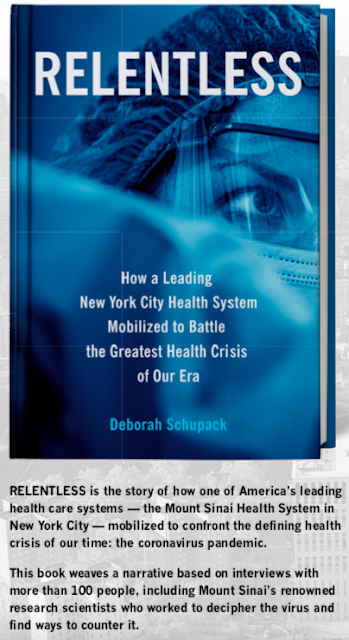
 
The author. Sounds like a cool person.

BREAKING NEWS OFF-TOPIC ERRATUM

 
Ahmaud Arbery murder trial prosecutor Linda Dunikoski. When you want it done right, send in a woman. Her closing arguments M.O. in this case will be taught in law school. Four hours of summation, all forcefully, methodically delivered without once looking down at notes.

BACK ON TOPIC

From the Supplement:
EXPOSOMICS
Integrating exposomics into precision medicine and public health

Robert O. Wright*, Kecia N. Carroll, Rosalind J. Wright

Precision medicine, which now primarily utilizes genomic and electronic health record data, holds the potential to transform medical practice. Recent calls to expand the field’s purview to encompass all factors that predict health (1–3) underscore the need to include environment (4, 5), as human health and disease are shaped by a range of lifelong exposures and their resultant biological responses. The emerging exposome concept addresses this complexity by studying the effects of all health-relevant environmental factors over the life course (6–8). The 20th-century concept of “nature versus nurture” needs to be tossed aside, as genetics and environment do not compete—they work hand in hand through interactions in which our environment (i.e., where people are born, live, develop, learn, work, play, and age) triggers biological responses that are determined in part by our genetics in a lifelong, iterative process. However, there is not yet a systematic plan to integrate exposomics into precision medicine. Advances in computational science, medical informatics, remote sensing, geographical information systems, and analytical chemistry now provide powerful research tools to facilitate the incorporation of exposomics into precision medicine and public health (9–11).

Understanding our environment is critical to advancing human health and eliminating health inequities. The broad-ranging effects of climate change consequent to rising global average temperatures, increasing atmospheric carbon dioxide (CO2), associated extreme weather events (i.e., heat waves, droughts, floods, and hurricanes), and altered ecosystem functioning and biodiversity, have alarming potential to magnify toxic environmental exposures and amplify consequent health disparities (Figure 1) (12). Climate affects the exposome both directly and indirectly to influence the spatial and temporal distribution of infections, asthma, allergies, mental health, and dozens of other chronic diseases. Also, rates of cancer, diabetes, heart disease, and neurodegenerative diseases, among other complex diseases, continue to rise with minority groups such as Blacks, Latinx, Native Americans, and Asian Americans experiencing increased disease morbidity and/or severity. Structural racism, including redlining, has segregated minoritized groups to live in low-income communities where increased exposure to psychosocial stressors, air pollution, physical environmental toxicants, and reduced access to healthy food and green spaces are concentrated. The systematic segregation of persons of color through redlining policies has significant public health implications (13). These environmental disparities go beyond pollution, particularly for indigenous populations, as cultural practices commonly involve local food and water, further exacerbating social inequities. Health inequities arise from variable—and too often predictable—imposed environments that link to social determinants of health. The geospatial diversity of the exposome underlies its key role in explaining health inequities. Broad categories of the human exposome include nutrition, infections, chemicals, physical environment, and sociocultural conditions that act as psychosocial stressors. Because exposomics encompasses the interconnections among our social, nutritional, and chemical environments, it holds great promise for elucidating root causes of recalcitrant health disparities…
_____________________________________
Department of Environmental Medicine and Public Health and the Department of Pediatrics, Icahn School of Medicine at Mount Sinai, New York, NY
*Corresponding author: robert.wright@mssm.edu
 

Yeah. Add one to the Omics riffs. We used to call some of this stuff "The Upstream."

Click to enlarge.
And, "Anthropocene," anybody?
 
"EXIGENCIES?"
 
I would think all of the foregoing map to my draft list.
 
 
I've begun taking these up on my relatively infrequently used Medium site.
 
UPDATE
Heavily mutated Omicron variant puts scientists on alert
Researchers are racing to determine whether a fast-spreading coronavirus variant poses a threat to COVID vaccines’ effectiveness.
 
Researchers in South Africa are racing to track the concerning rise of a new variant of the SARS-CoV-2 coronavirus that causes COVID-19. The variant harbours a large number of the mutations found in other variants, including Delta, and it seems to be spreading quickly across South Africa.

A top priority is to follow the variant more closely as it spreads: it was first identified in Botswana earlier this month and has since turned up in a traveller arriving in Hong Kong from South Africa. Scientists are also trying to understand the variant’s properties, such as whether it can evade immune responses triggered by vaccines and whether it causes more or less severe disease than other variants do…
Swell. 2024 headline? "Z.9.9.999 SARS-Cov2 variant emerges, concerning WHO officials."
 
BRIEFLY OFF-TOPIC AGAIN

My Las Vegas music podcasts have been offline for several years now. I just remounted them. Miss my friends.
__________
 

Sunday, September 26, 2021

The Genetic Lottery:

Ethical implications for policy.
 
 
I'd bought and begun Jennifer Hochschild's book Genomic Politics first, when I encountered Kathryn Paige Harden's then-upcoming work in a lengthy New Yorker article (probably paywalled).

Solely on the basis of that article, I subsequently downloaded it the day it was released and read it forthwith. She takes on a "radioactive" "3rd-rail" topic. Adroitly so.
That genetics would be useful at all for advancing the goals of social equality is a claim that is frequently met with skepticism. The potential dangers of eugenics loom large in the imagination. The potential benefits of connecting genetics to social inequalities, on the other hand, might seem slim. Even if a new synthesis of genetics and egalitarianism is possible, why take the risk? Given the dark legacy of eugenics in America, it might feel overly optimistic, even naïve, to imagine that genetic research could ever be understood and used in a new way.

What is missing from this consideration of risks and benefits, however, are the risks of continuing the status quo, where understanding how genetic differences between individuals shape social inequalities is widely considered, by both academics and the lay public, to be taboo. This status quo is no longer tenable...


Harden, Kathryn Paige. The Genetic Lottery (p. 21). Princeton University Press. Kindle Edition.
I thoroughly enjoyed it (heavily documented; more than 400 end-note citations). I'm now back onto Genomic Politics for comparisons and contrasts. I've riffed on "Omics" issues across the years (though mostly focused on clinical dx IT support and QA issues). apropos,


WBUR INTERVIEW


Tents, wheelchairs, and shopping carts piled with belongings sat baking in the sun next to the intersection where Kathryn Paige Harden pulled to a stop at a red light. She had driven past the homeless encampment, beneath an Austin freeway, often enough that she carried bottles of water to hand out through her car window to those who lived there. On this hot summer afternoon a couple years ago, her two young children voiced their concerns for the welfare of the camp’s residents. “Will ghosts get them at night?” the kids asked from the back seat. “Why don’t they have houses?”

Harden was struck by the range of potential answers to the latter question. They’d made bad choices? They didn’t work hard enough? The system was stacked against them? She gave her son and daughter the short version of what she believes: “Some people are unlucky in their lives.”

She offers a much longer, more complex answer in her new book, The Genetic Lottery: Why DNA Matters for Social Equality, published this September by Princeton University Press. A psychologist at the University of Texas at Austin, Harden studies how our genes influence the way we think, feel, and act—a field known as behavioral genetics. She writes that some people are born lucky, with DNA containing variants that predispose them to academic achievement, stable jobs, higher incomes, and greater well-being. Others inherit variants more likely to lead to mental illness, addiction, and poverty, as well as a greater risk of homelessness. While acknowledging the roles our environment and experiences play in shaping our lives, HardenBmakes the case that social scientists who want to address the roots of inequality must reckon with genetics.

That stance has made her something of a lightning rod. She’s been accused of promoting eugenics, the discredited pseudoscience of “improving” the human race through selective breeding. One colleague even likened her research to the claims of those who deny that the Holocaust occurred…

My typical book candidate vetting involves Amazon reviews (cogent low-rated reviews can be a show-stopper) and Google searches). In this case, I didn't look at anything beyond the New Yorker article prior to my purchase. But, post hoc,

PRINCETON UNIVERSITY PRESS BLURBS
"The ultimate claim of The Genetic Lottery is an extraordinarily ambitious act of moral entrepreneurialism. Harden argues that an appreciation of the role of simple genetic luck—alongside all the other arbitrary lotteries of birth—will make us, as a society, more inclined to ensure that everyone has the opportunity to enjoy lives of dignity and comfort."
—Gideon Lewis-Kraus, New Yorker

"The Genetic Lottery is a good read, peppered with relatable stories and examples. Harden pulls off the trick of simultaneously introducing a technical field to newcomers; addressing deep, specialist debates; and taking seriously the intersection of scientific and philosophical analyses of inequality."
—Aaron Panofsky, Science

"While acknowledging the roles our environment and experiences play in shaping our lives, Harden makes the case that social scientists who want to address the roots of inequality must reckon with genetics. . . . The more researchers understand about the myriad factors that influence how our lives turn out, the more they can help improve outcomes for everyone. Genetics is one of those factors, Harden argues: when we ignore it, the most vulnerable suffer."
—Jennifer Latson, Texas Monthly

"[An] outstanding new book. . . . It’s scientifically spot on, historically adroit, and excellently written. Required reading."
—Adam Rutherford

"Harden diligently fights a desperate battle to enlist science to serve progressive social reform."
Kirkus Reviews

“This brilliant book is without a doubt the very best exposition on our genes, how they influence quite literally everything about us, and why this means we should care more, not less, about the societal structures in which we live.”—Angela Duckworth, author of Grit

“To me, the aim of genetic research should be threefold: to find out which differences between people are real, which of those matter, and how to use that knowledge to get the best outcomes for all people. This fascinating book is a step toward that goal.”—David Epstein, author of Range

“Harden expertly explains what we can—and importantly, can’t—take away from genetic research, and does so without shying away from the complexities or controversies. Nobody should be allowed to opine about genetics in public until they’ve read this book.”—Stuart Ritchie, author of Science Fictions

“A thoughtful, brave, and very engaging book. In contrast both to those who see genetic differences as justifying hierarchy and to those who reject the study of the influence of genes on social stratification, Harden argues that understanding the findings of behavioral genetics is essential if we are to create a more just society.”—Peter Singer, Princeton University

The Genetic Lottery is a must-read for anyone who cares about understanding why humans differ from one another. Harden lights a clear path toward an anti-eugenic genetics that embraces human diversity and works toward equity for all humans.”—Russell A. Poldrack, author of Hard to Break

“Compelling and highly readable. Harden dispels the myths that genes are destiny, that their influence is all-or-none, and that those who work on genetics are eugenicists. She makes a persuasive case that if we understand genes this can help us work towards a fairer society.”—Dorothy Bishop, University of Oxford

“Harden skillfully integrates genetic research and social science to address inequality. She demonstrates that empirical advances in understanding the role of biology and social influence in life outcomes can productively inform our moral debates and public policy decisions, if only we can forthrightly address the blinkered generalizations of the past.”—Matt Grossmann, author of How Social Science Got Better

“In this thoughtful, important, and fascinating book, Harden presents a new synthesis of genetics and egalitarianism, showing how an appreciation of the power of genes is essential for moving us towards a good and just society. The Genetic Lottery is going to have a major impact on how everyone thinks about luck, merit, and human nature.”—Paul Bloom, Brooks and Suzanne Ragen Professor of Psychology, Yale University, author of The Sweet Spot: The Pleasures of Suffering and the Search for Meaning
Notwithstanding that there's obviously "confirmation bias" in the foregoing, I agree with all of those assessments. My blurb would simply say "She's right."

UPDATE: SO MANY STRAW MEN, SO LITTLE TIME
 
This commenter doesn't like "lefties."
“The hero of the [New Yorker] article is a young academic super-star lefty named Kathryn Paige Harden who, the New Yorker says, is almost single-handedly fighting a two-front war: “on her left are those who assume that genes are irrelevant, on her right those who insist that they’re everything.” No one — and I mean no one — thinks genes are “everything,” but that is the pose lefties strike. They believe only committed progressives can truly understand the policy implications of genetics.”

Unhappily, I find a lot of the ad hominem-laden criticism of Dr. Harden—amid the usual Straw Men—condescending and misogynistic. Calling her knowledge of psychology “sophomoric?“ Really (a psychology PhD tenured professor)? Dismissing her methodical, detailed argument as "nonsense" is itself nonsense. One (male) critic on Twitter (a Canadian "Labour Economist"**) called her work "asinine." How helpful.
** An economist is someone who encounters something that works in practice and tries to determine whether it will work in Theory.
MY AMAZON REVIEW

Click to enlarge.
 
"MAJOR SOCIETAL ISSUES?"
 
LOL.

Well, the latter one may be headed toward resolution.
 
More to come, particularly as I now finish Dr. Hochschild's book (I also have 3 others in the oven at the moment; keeps Grandpa off the streets).

UPDATE
The choice of good decision-makers—and of those who should be left out of the room where it happens—is a matter of politics, not rationality. The social science experts’ long lists of appropriate and inappropriate decision-makers make it clear that we can expect no consensus around a small set of “the correct” governors. Many actors have claims; people have varied evaluations of the legitimacy and priority of those claims; there is no authority or consensual process for evaluating the actors or their claims. That is why political activity is essential—and entirely warranted in a democratic polity. Decision-making about societal uses of genomics will and mostly should include negotiation, emotion, rational discourse, scientific evidence, procedures and precedents, trade-offs and pay-offs, and power grabs. It may never be finally resolved.

Hochschild, Jennifer. Genomic Politics (pp. 218-219). Oxford University Press. Kindle Edition.
Yeah. Most difficult. But human affairs get "governed" one way or another.
________


Monday, August 26, 2019

"Human Nature"


From Science Magazine:
CRISPR comes to the silver screen
If you could cure a child suffering from sickle cell anemia, would you? This is the question at the center of Human Nature, a new documentary directed by Adam Bolt about the revolutionary gene-editing technology known as CRISPR. The documentary is visually stunning, thought-provoking, informative, and tightly focused on human health—which means that there are a few pieces missing from the overall picture.
"Omics" update stuff. Documentary website here.

UPDATE: ANOTHER VIDEO ON THE TOPIC


NOTE: Some of this is not in English, you might want to click 'subtitles/CC."
_____________

More to come...

Thursday, December 6, 2018

More on climate change and health impacts

From Scientific American:


Also, nice piece at The Atlantic by Vann R. Newkirk II:

Climate change can seem almost too big to fathom. Reports such as the recent National Climate Assessment and the United Nations Intergovernmental Panel on Climate Change’s recent release have made waves by portraying the dire threats of a warming world, making the case that the fundamental fabric of humanity will be degraded without immediate action. But the scenarios—the biblical floods and droughts, the mass migrations of dispossessed people, the creeping seas and the retreating glaciers—have a way of short-circuiting the brain. It’s almost easier to despair or to will oneself into ignorance than to begin to grapple with the future. What are human lives when measured against the coming tempest?

Efforts to assess the exact human costs of climate change, however, have provided new tools for understanding the ways in which those lives will be impacted. A major report published November 28 in the public-health journal The Lancet provides predictions of how climate change is degrading human health, and how it will alter health-care systems in the future. The findings are reliably grim. But in focusing on the health-care implications and the potential damage done to people and their descendants, the report provides a firm backing to the call to climate action. The experts behind the report hope to marry the urgency of climate science with the muscle of America’s most successful and most trusted policy experiment—its public-health system…
Read all of it (including the linked resources therein). The Lancet work can be found here [pdf].
From page 21 of the Report:

Training the Next Generation and Educating the Public on the Health Impacts of Climate Change
Correlates with Lancet Working Group 5: Public and Political Engagement


Healthcare professionals need to be educated about the ways climate change is harming Americans’ health and well-being.These professionals include physicians, nurses, public health workers, and professionals in other health sciences. 


The International Federation of Medical Students Association (IFMSA) has created a 2020 Vision for Climate-Health in Medical Curricula as a call to action to include an element of climate-health in every medical school curriculum by 2020.67 The Global Consortium on Climate and Health Education (GCCHE), hosted at the Columbia University Mailman School of Public Health, has developed Climate and Health Core Competencies for health professional students which can act as an institutional guide.


Recent polls show that nearly half of Americans (49%) are “extremely or very sure” that climate change is happening versus only 7% who are “very sure” climate change is not occuring. Given that the bedrock of public health is education about threats to health, it is critical that health providers inform their patients, communities, and policy makers about the health harms of climate change. 


Evidence shows that primary care providers are among the most trusted voices to deliver this message (Figure 15), while nurses are the most trusted profession in the country across all sectors. It has been shown that educating Americans about the health impacts of climate change can increase public engagement and decrease political polarization.
Interesting.

I keep coming back to the climate change thing because if we don't get a handle on it soon, a lot of other tech topics in the health care space are going to be increasingly moot, as increasing financial resources diverted to exigent disaster relief and recovery crowd out funds for tech R&D and other economic needs.

See some of my prior climate related posts here. And, don't forget Mr. Best Words.

Look closely at the left side vertical descending bars of the Scientific American graphic above. The costs associated with adverse health impacts are projected to significantly outstrip other categories. Our time for continued denial is running out.
“The way I think about it is: Somebody was made sick yesterday from climate change, someone is being made sick today as we speak, and someone is going to be made sick from climate change tomorrow.” - Georges Benjamin, APHA


DEC 7TH UPDATE

New post at Naked Capitalism:

The Inconvenient Truth about Climate Change and the Economy

FROM MY LATEST HARDCOPY EDITION OF SCIENCE MAGAZINE
EDITORIAL
Define the human right to science
Jessica M. Wyndham, Margaret Weigers Vitullo

       
The adoption of the Universal Declaration of Human Rights (UDHR) by the United Nations (UN) General Assembly will mark its 70th anniversary on 10 December. One right enshrined in the UDHR is the right of everyone to “share in scientific advancement and its benefits.” In 1966, this right was incorporated into the International Covenant on Economic, Social and Cultural Rights, a treaty to which 169 countries have voluntarily agreed to be bound. Unlike most other human rights, however, the right to science has never been legally defined and is often ignored in practice by the governments bound to implement it. An essential first step toward giving life to the right to science is for the UN to legally define it…

The scientific community has contributed three key insights to the ongoing UN process. One is that the right to science is not only a right to benefit from material products of science and technology. It is also a right to benefit from the scientific method and scientific knowledge, whether to empower personal decision-making or to inform evidence-based policy. In addition, access to science needs to be understood as nuanced and multifaceted. People must be able to access scientific information, translated and actionable by a nonspecialist audience. Scientists must have access to the materials necessary to conduct their research, and access to the global scientific community. Essential tools for ensuring access include science education for all, adequate funding, and an information technology infrastructure that serves as a tool of science and a conduit for the diffusion of scientific knowledge. Also, scientific freedom is not absolute but is linked to and must be exercised in a manner consistent with scientific responsibility…

In October 2018, the UN Committee on Economic, Social and Cultural Rights released a list of 29 questions related to defining the right to science [pdf]. Three of the most important questions were: What should be the relationship between the right to benefit from science and intellectual property rights? How should government obligations under the right differ based on the available national resources? What is scientific knowledge and how should it be differentiated, if at all, from traditional knowledge?…

The power and potential of the right to science for empowering individuals, strengthening communities, and improving the quality of life can hardly be overstated. It is time for the UN process to reach a responsible and productive end and for the right to science to be put into practice as was intended when it was first recognized by the United Nations in 1948.
Better late than never, I guess, when it comes to precisely pinning down core conceptual phrases.

Beyond international legal definitions, this goes to issues of "Ethics," no?

apropos of one specific science-technology area and ethics, "Artificial Intelligence," I call your attention here:


From their 2018 Report:
University AI programs should expand beyond computer science and engineering disciplines.
AI began as an interdisciplinary field, but over the decades has narrowed to become a technical discipline. With the increasing application of AI systems to social domains, it needs to expand its disciplinary orientation. That means centering forms of expertise from the social and humanistic disciplines. AI efforts that genuinely wish to address social implications cannot stay solely within computer science and engineering departments, where faculty and students are not trained to research the social world. Expanding the disciplinary orientation of AI research will ensure deeper attention to social contexts, and more focus on potential hazards when these systems are applied to human populations.
That's interesting. I am reminded of my cite of Dr. Rachel Pearson's book (MD, PhD) and her scholarship in the "Medical Humanities." Interdisciplinary synergy.

UPDATE: JACOB WARD

Saw an MSNBC Ali Velshi interview with this Jacob Ward fellow, and was rather impressed. Glad to now be aware of him.


Warrants following.

JacobWard.com
Could not agree more with that statement. Easier said than done. One of my favorite "Futurists," Ian Morrison, joked during a Health 2.0 Conference that "the benefit of being a Futurist is that you never have to change your slides."

Good writer, Jake Ward. Check this out:

In 1999, a trio of economists emerged from a conference at the University of California, Los Angeles, squinting without sunglasses in the unfamiliar sun, and began a slow walk through the hills overlooking the city. The three of them — a Harvard economist-in-training, Daniel Benjamin, and the Harvard economists Edward Glaeser and David Laibson — were reeling. They had just learned about a new field, neuroeconomics, which applies economic analysis to brain science in an effort to understand human choices. Now they were strolling through the taxonomy of midday joggers and dog-walkers in Los Angeles, talking all the while about how people become what they are. Benjamin recalls feeling very out of place. “Everyone was so beautiful,” he says.

The economists spent the walk discussing what else they could measure across such a wide variety of human beings. By the time the sun began to set, the conversation landed on the very building blocks of life. “If economists are studying the brain,” Laibson asked, “what about studying genes?”

At that time, the standard method for connecting genes to human outcomes was to look for connections between specific DNA clusters and specific conditions in the lives of people who share those genes. B.R.C.A., perhaps the best-known gene sequence in medical science, is associated with a high risk of breast cancer. The A.P.O.E. sequence seems to have a connection to your chances of developing Alzheimer’s. “We thought we were going to find a few candidate genes that were the critical genes for impulse control or risk taking or cognitive ability,” Benjamin says. But when Benjamin, Glaeser and Laibson began writing to the keepers of DNA databases, asking to partner up, they found the geneticists reluctant to join forces. And matching D.N.A. to social outcomes, like educational attainment or wealth, wasn’t just ethically questionable, it was practically impossible…

…researchers themselves acknowledge that it’s hard to think about oneself clearly when subjected to this new [DNA] tool. Benjamin, Conley and several others in the study went ahead and got their own polygenic scores measured. It was for fun, mostly, and no one was unhappy with their results. “But at the moment I did it, I regretted doing it,” Conley says. “It’s a cognitive trap. I immediately realized that at an individual level, it doesn’t predict anything, but it’s human nature to want to know more about yourself. I don’t know …” He pauses for several seconds. “People parse meaningless distinctions.

Benjamin is less conflicted. “I don’t regret doing it,” he says. “But I’m an economist, so I’m trained to always think more information is better.”
Ahhh... more "Omics" stuff. "Geno-economics?" "Neuroeconomics?" What could possibly go wrong with that kind of stuff? The hell with your GPA and GMAT. The hell with your FICO score (some people would end up in the "subprime DNA" demographic). The hell with your VC Startup Seed Round Pitch Deck. Just give us your whole genome assay result. GINA et al be damned.
I know: I should do a startup called EconoGenomics.com™ 'eh? Get me some of that Silicon Valley money. Hmmm.. relatedly, how about NeuroCriminalistics.com™?
Read Jacob's entire NY Times Magazine article. Very thoughtful, analytical take on the issue. He's on Twitter here.
_____________ AnthropoceneDenial

DEC 10TH  CODA

Imagine my surprise.
@Arctic21
_____________

More to come...

Friday, October 5, 2018

Population Health and an aging world


I first used the above photo in my recent post on "The Silver Tsunami." Then, in a subsequent post on "The Biden Cancer Initiative" I cited an article I ran across at STATnews.
More research on ‘dying healthy’ will also help us live healthier
By GEORGE J. ANNAS and SANDRO GALEA, OCTOBER 3, 2018


Helping people live longer has been a central goal of medicine for decades. The quest to extend life raises an interesting question: Should we keep investing in research aimed at adding even more years to the already impressive gains in the average life expectancy that occurred during the 20th century?

We can only go so far. There’s likely an unalterable biological limit to the human life span, somewhere around 115 years (though there are, of course, occasional outliers). Virtually all humans die before reaching that age, most of them before they turn 90.

This limit should give us pause…

Advances in medical treatment, including cancer treatments, are increasingly unlikely to provide further significant gains in human longevity. An analysis of 71 cancer drugs consecutively approved between 2001 and 2012, for example, suggests that their overall contribution to survival was just 2.1 months; the gains attributable to personalized cancer medicine have, so far, also been minimal.

Lacking evidence that the human life span can be radically increased by new medical technologies, we believe it’s time to shift our country’s investment priorities away from medical research that aims to extend life and instead focus on the same social, cultural, and political factors that successfully prolonged life in the last century.

That means more public investment in education, transportation, and housing. That kind of investment would directly contribute to the prevention of chronic diseases such as diabetes, heart disease, and many cancers, and would do more to improve the quality of life of the population than additional medical research aimed at treating individuals with specific diseases…

One way to preserve quality of life throughout the life span is to compress aging-related illness and disease into as short a time as possible.

Others before us have suggested that the U.S. is now at the point of diminishing returns in high-tech medicine. Unfortunately, calls to redirect resources away from research into extending life and toward quality of life have been ignored in the past, and the same will likely happen now. We believe that is a mistake…
I immediately tangentially thought of "A Good Death."

I looked into the authors of the foregoing STATnews piece, both faculty members of the Boston University School of Public Health.

Sandro Galea, MD is the author of this intriguing book:
Introduction
HEALTH MATTERS. A CONCERN with our health and well-being crosses national, partisan, and ideological divides. Our concern with health has led us to remarkable achievements that have made for a healthier world during the past century. Life expectancy worldwide is higher than it has ever been. In the past century alone, we have increased life expectancy by a mind-boggling 30 years after centuries during which life expectancy was more or less stagnant. We have dramatically reduced death from infectious disease, and large numbers of people worldwide have access to quality medical care when they need it. Yet, our health achievements leave much to be desired. Although life expectancy has increased overall, billions of people continue to die prematurely, and substantial healthy life years are lost worldwide due to disease or disability. Our collective health achievement is marred by tremendous gaps, with global life expectancy ranging from a high of 83 years in Japan to a low of 47 years in Malawi. The United States has worse health metrics than nearly all other high-income countries, even as the country spends far more on health than any other country worldwide. Population health in the United States is characterized by racial/ethnic and socioeconomic gaps, despite decades of study and effort to narrow these disparities. These successes, and failures, are all the remit of public health.

At heart, public health is concerned with the social, economic, cultural, and political conditions that shape the health of populations. The vast majority of health achievement during the past century is attributable to an improvement in these conditions: to better living conditions in cities, improved educational status for women and men, safer water and sanitation, availability of nutrient-rich food, stable housing and shelter, and reduction in violence and injury. Conversely, our shortcomings represent our failure to tackle the social divides—across countries and within countries—that become health divides. This is compounded by our mis-investment of resources in curative care and away from education, physical and social conditions of cities, social justice, and efforts at disease prevention that create the conditions for healthy populations…
1. The Aspirations and Strategies of Public Health 
DURING THE PAST century, public health has been responsible for an extraordinary number of achievements. Going forward, the field stands to make similar contributions to health in this century. Our rapidly changing world continually presents us with new challenges, including chronic diseases, increasing income disparities, the threat of bioterrorism, and climate change. In the face of these concerns, public health is well positioned to lead the way.

Yet, despite its record of achievement, organized public health appears to be on the defensive. High-profile initiatives such as the burgeoning precision medicine agenda and the continuing war on cancer have captured attention at the highest levels of politics, diverting resources into individualized efforts at disease prediction through genomic approaches, at the expense of population-based public health action geared toward the foundational drivers of health [2, 3]. Given that much public health scholarship arises from academic public health institutions that are heavily dependent on federal funding agencies, our national preference for cutting-edge technology and expensive treatment over less eye-catching prevention measures threatens to monopolize the direction of public health scholarship for decades to come. Public health is not alone in this financial uncertainty. We share funding and infrastructure deficiencies with transportation, education, and almost all other endeavors that are reliant on public funding and leadership. Investments in much of this infrastructure have been declining, or barely keeping pace with needs, for decades [4]‌. In this context, every extra dollar spent on medical care comes at a high opportunity cost, at the expense of public health [5].

The difficulties we face do not center on disagreements about the core goals of our field, which have always been, and remain, broad and aspirational. According to the American Public Health Association, “public health promotes and protects the health of people and the communities where they live, learn, work, and play” [6]‌. This statement captures public health’s goal of shaping the conditions that enable healthier populations, with a key emphasis on the prevention of disease…


Galea, Sandro (2017-06-20T23:58:59). Healthier: Fifty Thoughts on the Foundations of Population Health (Kindle Locations 184-258). Oxford University Press. Kindle Edition.
OK. More stuff to have to study up on. I have to confess I don't know much about the nuts and bolts of "public health" as an academic and/or professional domain. I spent my three tenures with the HealthInsight Medicare QIO first as a Nevada acute care hospitalization outcomes analyst (pdf), and then as an EHR implementation and workflow analyst (DOQ-IT, Meaningful Use REC) working the ambulatory primary care space (Family Med, Internal Med, Peds, OB/GYN). In that arena, mention "population health" to the harried docs on the enervating productivity treadmill would just get you eye-rolling, grumpy, dismissive responses -- "If we each provide the best care for our patients, 'population health' will take care of itself."

Not that simple, by a long shot. But, then, none of us in the trenches had time for debating abstract macro policy issues.
"Yet, despite its record of achievement, organized public health appears to be on the defensive."
In particular given the priorities of the Trump administration. And then there are the competing economic priorities and chronic misalignments revealed in Rosenthal's excellent book "An American Sickness." 
An Aside: where might "Data Science" fit in to this? And, broadly, the "Upstream"? In that regard, "Your ZIP code matters more than your genetic code."
And, let us not forget the "exposome."
Take a Deep Breath and Say Hi to Your Exposome
Researchers begin to explore the unique cloud of airborne microbes and chemicals that surrounds each of us


In the past few decades, researchers have opened up the extraordinary world of microbes living on and within the human body, linking their influence to everything from rheumatoid arthritis to healthy brain function. Yet we know comparatively little about the rich broth of microbes and chemicals in the air around us, even though we inhale them with every breath.

This struck Stanford University genomics researcher Michael Snyder as a major knowledge gap, as he pursued long-term research that involved using biological markers to understand and predict the development of disease in human test subjects. “The one thing that was missing was their exposure” to microbes and chemicals in the air, Snyder says. “Human health is clearly dependent not just on the genome or the microbiome, but on the environment. And sampling the environment was the big hole.”…
 Add one more discipline to the "Omics." 

ALSO OF INTEREST AT BU-SPH

Roaming around their website led me to this:
Health Law, Ethics & Human Rights Research

The Affordable Care Act
Constitutionality, implementation strategies, Medicaid expansion, role of private health insurance companies, coverage of public health screening, and patient-oriented research.
 

Clinical Bioethics
Analysis of clinical case consultations performed at Boston Medical Center dealing with end-of-life care, reproductive health, patient capacity to participate in decision-making, and resource allocation.

Genetics & Genomics   
Genetic screening and counseling strategies, including fetuses, newborns, children, and adults. Introduction of whole genome screening into the clinical setting. Role of government mandates and informed consent. Genetic privacy, genetic transfer experiments, and regulation of synthetic biology.

Health Promotion
Legal and ethical issues in health promotion programs among employers, health care payers, government, and communities as well as the constitutionality of state and federal laws designed to change health behaviors (e.g., cigarette labeling laws, container size limits for sugary drinks, etc.)

Health & Human Rights
Development of a theory linking health to respect for human rights, including the meaning of the international “right to health.”

Patient Rights & Patient Safety

Defining the legal rights of patients, including the “right to safety” and the role of evidence-based medicine in setting the standard of care.

Medicine & the Holocaust
Study of the role of medicine during the Holocaust, focusing on racial hygiene, eugenics, euthanasia, and genocide. Care of Holocaust survivors, research on perpetrators and bystanders.

Military Medical Ethics
Study of existing military doctrine, application of civilian medical ethics to the military; special emphasis on ethics standards at Guantanamo, including hunger strike protocols, and the concepts of “dual loyalty” and “dual use.”

Reproductive Rights
Constitutionality of new state laws that restrict abortion services.

Research on Human Subjects
Study of the changes needed in federal research regulations and methods to improve subject understanding of research and improve the consent process and its documentation.

Religion & Public Health
The role of religion in public health policy and the First Amendment limits on governmental interference with religion and religious practices.

Emergency Preparedness
An examination of how public health should work with national security agencies, including the relationship between epidemics and bioterrorist attacks.

Medical Privacy
Privacy of medical and genomic records, quality assurance studies, and electronic health records, as well as the access the government has to private health information.

Legal & Ethical Implications of Wellness Programs
An analysis of the reciprocal interactions between corporate wellness programs and the laws governing health insurance and employment.

Forensic Medicine
Forensic evaluations of refugees and asylum seekers, as well as victims of abuse and torture. Setting standards for same.
Wow. Makes me want to move to Boston and apply.

My interest in these areas has been abiding ever since grad school [pdf] in the 1990's ("Ethics and Policy Studies"). apropos, see my prior post on "Information Ethics."

Oh, and I've alluded to this a couple of times:


I reached out to these folks, and gently pointed out that their "Ethical Framework" pdf download document had no definition of "ethics." The email reply I got blew me off -- "we all know what we mean, we're not gonna get bogged down in abstract academic jargon."

Right. In Silicon Valley-speak, just "Don't Be Evil" while you "Fail Fast and Break Stuff" in your Agile Scrums.

Dudes, I'm not talkin' obtuse ivory tower "Dialectical Hermeneutics,"or hypothetical "gotcha" moral dilemma "Trolley Problems," etc, just a common-sense primer of sufficient detail. e.g., from a book I got onto via Science Based Medicine:

Ethical Frameworks and Principles
Ethical considerations of any problem or issue can be divided into two major categories: (a) nonconsequentialist and (b) consequentialist approaches. 1 Nonconsequentialism considers that the action (or even just the motivation behind an action) is the crucial ethical factor. In other words, the action itself is more important than the actual outcome (consequence) of the action. By contrast, consequentialism holds that outcomes (as opposed to actions) should be the crucial determinants of ethical decisions…

Principlism
The inherent subjectivity of ethics presents a problem: even when reflexive and uncritical responses (such as the ‘gut reactions’ of tabloid readers) are excluded, along with religious outlooks, medical ethicists still do not all agree on which ethical principles are best.

It was in response to this reality that an approach to ethical analysis known as principlism was developed. Principlism attempts to factor in both nonconsequentialist and consequentialist approaches. The standard version is based on four core principles:

(1) Respect for autonomy (a nonconsequentialist principle—but one that utilitarianism also supports).
(2) Nonmaleficence (‘first, do no harm’—a nonconsequentialist principle).
(3) Beneficence (increase overall utility—a consequentialist principle; it is essentially utilitarianism).
(4) Justice (fairly distribute benefits, risks and costs—a nonconsequentialist principle). 
Principlists apply this approach to an ethical case by examining how each of the four principles (in turn) applies to the issues raised by the case. It is quite common for medical ethics committees to use this method to reach decisions. Principlism can be very useful as a structured ‘checklist’ method to address ethical problems and therefore finds favour amongst laypeople or non-ethically trained professionals, who predominate on ethics committees…

Ernst, Edzard. More Harm than Good?: The Moral Maze of Complementary and Alternative Medicine (Kindle Locations 83-208). Springer International Publishing. Kindle Edition.
That entire chapter is excellent. One need not, however, even go to that much trouble. Any quick Google search will get you tons of relevant, succinct definitional information on the topic of Ethics.

Below, a good, accessible, inexpensive resource:


I still have all of my many grad school texts, but I keep this in my Kindle as a handy refresher.

It was emphasized to us in grad school early on that "Ethics" was not about some lookup cookbook of "right/wrong," but rather a frequently arduous process of rational moral deliberation comprising evidence (including accrued wisdoms), logic, and -- yes -- "values" fused in honest attempts to derive just decisions and policies.

UPDATE: ON HEALTH RESOURCE ALLOCATION

My latest issue of Science Magazine arrived today. This therein is relevant to the discussion in this post:
Cancer prevention: Molecular and epidemiologic consensus

Prevention of any disease can occur at two levels: (i) avoiding or reducing risk factors coupled with increases in protective factors (primary prevention, which is preferable when it can be practiced) and (ii) detection and intervention early in the course of disease evolution (secondary prevention). But despite substantial epidemiologic data showing that a large proportion of cancers and cancer deaths are preventable, decreases in cancer mortality rates in developed countries have lagged far behind decreases in mortality rates from heart disease (1), another major disease amenable to prevention (for example, 18 versus 68% decrease, respectively, between 1969 and 2013 in the United States) (2). We believe that one main factor explaining the relatively modest reduction in mortality is the limited support for cancer prevention research, which receives only 2 to 9% of global cancer research funding (3). As a United Nations (UN) High-Level Meeting begins this week to review efforts to combat noncommunicable diseases, a key question is how to prioritize resources to realize the potential of cancer prevention…
'eh?

CODA

Off-topic erratum: I drove today for the first time since my August 23rd SAVR aortic valve surgery. I start cardiac rehab PT next Tuesday. Doin' OK. Can definitely hear/feel that new valve thumpin'.
_____________

More to come...