Search the KHIT Blog

Monday, July 2, 2018

"Overcharged?" Paying for health care

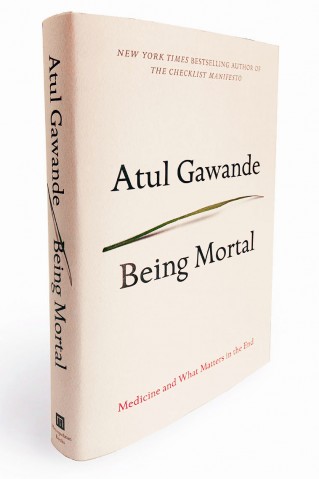
The publisher (CATO Institute), at the request of one of the authors, graciously gave me a pre-pub comp copy to study and review. The book is to be released on July 3rd.

"Why is the American health care system so dysfunctional and expensive? Why does the EpiPen, containing $1 worth of medicine, cost $600? Why do hospitalized patients receive bills laden with inflated and surprise charges that come out of the blue from out-of-network providers, or that demand payment for services that weren't delivered? Why is more than $1 trillion―one out of every three dollars that passes through the system―lost to fraud, wasted on services that don't help patients, or misspent? What are the causes of spiraling costs, mediocre quality, and limited access?

Overcharged details how the answers to these questions are connected and reveals a system that performs as if it had been designed to spend as much money as it can, and to be as confusing and unfriendly as possible, with no accountability. Overcharged then exhaustively details real reforms―showing how health care can become more efficient and pro-consumer when it is subjected to the competitive forces that apply to the rest of the economy, and will only get better and cheaper when consumers exert pressure from below."
It's a serious (if partisan) book, deserving of serious study and critical analysis. A bargain at $7.99 Kindle price. I find in it much to both agree with and to be skeptical of.

I recently underwent a coronary angiogram px, dx preparatory to my upcoming SAVR px (open heart aortic valve replacement surgery). My "chargemaster" invoice and EoB statement numbers:
Cardiology:  $31,004.00
Laboratory:  $$615.84
Med/Surg Supplies & Devices:  $4,624.00
Pharmacy:  $1,391.20
----
Total:  $37,635.04
Medicare paid $2,667,29 (it's considered a Medicare Part-B outpatient encounter), my residual balance owed was $1,209.44, for a total paid of $3,876.73. Roughly 10.3% of the (BS) "retail."

I was there for about 4 hours, so, roughly a grand an hour, for all of that technology and expertise.

Did I "overpay" to comfortingly learn from my cardiologist that I "have the arteries of an 18 year old?"

"SAVR"

Sometime in the next couple of months, a highly respected and experienced local cardiac surgeon and his team will sedate and anesthetize me, render me deeply unconscious, emplace a breathing tube in my throat, slice open my chest, spread out my rib cage, stop my heartbeat, put me on a heart-lung machine, cut my heart open, remove my seriously stenotic aortic valve, replace it with a sutured-in prosthetic (pig or bovine tissue) valve, close the heart back up and re-start it, close my chest back up, and send me off to Recovery.

One hopes.

The Healthcare Bluebook pegs the current "fair price" for the SAVR px in my area at about $90k.

"Reasonable?"

Back to Overcharged. Per Covey, I "begin with the end in mind."
CONCLUSION
For the last half century, the chief object of American health policy has been to ensure that consumers pay the smallest possible fraction of the cost of medical care at the point at which treatments are delivered. Obamacare, the State Children’s Health Insurance Program, Medicare, Medicaid, the U.S. Veterans Health Administration (VHA), and tax-advantaged private insurance arrangements— along with the long list of coverage mandates that go with them— all reduce direct financial responsibility for medical services to a minimum. As explained in Chapter 15, the evil genius of third-party payment is that it encourages consumption and drives up costs by making medical services cheap for patients at the point of sale.

The public officials, insurers, and health care providers who benefit from all this spending defend third-party payment arrangements by arguing that health care is too complicated and too expensive for consumers to manage on their own, and by contending that people who are directly responsible for health care costs will use medical services less often than they should. Better that government bureaucrats spend tax dollars and that private insurers spend premium dollars, they argue, than that consumers pay for medical services themselves. They don’t want consumers to consider the possibility that market mechanisms might remediate excessive costs and complications as successfully in health care as they have in other sectors. This is to be expected. Widespread reliance on third-party payment arrangements benefits insurers and health care providers, so they want nothing to interfere with it…

…An abundance of evidence, including everything from peer-reviewed academic studies of the impact of Medicare and tax breaks on costs to news reports about surprise bills, retail outlets, and frauds, makes it clear that the politicized third-party payment system is the main culprit. Instead of expanding the reach of that system, as Obamacare did, we should face facts and start paying for health care the same way we pay for everything else. When hundreds of millions of people spend their own money on health care, they will behave differently, and health care providers will too. Consumers will look for services that offer better value for the dollar, and doctors, hospitals, drug companies, and other medical outlets will try to provide them. Prices will fall and both the availability and the quality of medical treatments will improve.

Many health care providers won’t like this new world in which they must compete for business. They benefit from existing arrangements, which pay them whatever they ask and send them more dollars year after year. We should stop indulging them, and we should stop listening to their apologists and lobbyists too. Markets do a good job of supplying food, clothing, housing, transportation, and other essentials. They can help us meet our needs for medical treatments.

One of the most wonderful things about markets is that they automatically reward sellers who treat consumers well and automatically punish those who don’t. Both the carrot and the stick are important. For American health care to improve, providers that deliver high-quality services at reasonable prices must be rewarded and inferior providers must fail. There must be turnover and opportunities for new entrants. A near-death experience made the American automobile industry more efficient and pro-consumer, and decades later, innovators like Tesla are still forcing existing manufacturers to do better by deploying new technologies and business models. If and when the businesses that operate in the American health care sector are subjected to intense competition, they will respond the same way. And if they don’t, they will fall by the wayside and new businesses will emerge that will offer Americans cheaper and better health care.

Change won’t come easily. Old-line health care companies have rigged the game in their favor. They benefit from a guaranteed flow of dollars and massive subsidies. They control market entry. And they have convinced the American public that they should not have to operate like other businesses…


Charles Silver & David A. Hyman. Overcharged: Why Americans Pay Too Much for Health Care (Kindle Locations 7253-7295). CATO Institute.
 
That is the crux of their argument.

Which begins thus:
PREFACE
The problems with America’s health care system are many and varied. That’s why there is no general guide to all of them. Instead, there are thousands of books and articles about specific difficulties, such as the mistreatment of prostate cancer in men, the politics of health care reform, outrageous hospital charges, or fraud in the prescription drug business.

Although many of these writings are excellent, they fail to convey a sense of the whole. An intelligent person wants to know, at the most general level, why our health care system is so dysfunctional. What are the root causes of spiraling costs, mediocre quality, and limited access? Why is more than $ 1 trillion— one out of every three dollars that passes through the system— lost to fraud, wasted on services that don’t help patients, or otherwise misspent? Why do hospitalized patients receive bills that are laden with inflated charges, that come out of the blue from out-of-network providers, or that demand payment for services that weren’t delivered? Why does the EpiPen, an old technology that contains $ 1 worth of medicine, cost $ 600? Do questions like these require separate answers? Or are the answers connected? Are there core drivers of the health care system’s many pathologies?

We believe that an array of the American health care system’s most important shortcomings stem from a few root causes. We also think that it is important to lay these fundamental drivers bare for everyone to see...
[ibid, Kindle Locations 43-53]
 Between these bounds lie 22 chapters fully laying out their argument and supporting evidence. to wit:
The United States is “the most expensive place in the world to get sick.” 1 Why? One big reason is that providers routinely game the payment system. Drug companies are experts at this. Chapter 1 describes how they first gain strangleholds on supply. Chapter 2 describes how they then charge whatever they want, knowing the payment system imposes no restraint on prices. Chapter 3 shows that shady conduct occurs at every point in the drug distribution chain and often involves the willing participation of pharmacists and physicians who profit by exploiting existing payment arrangements. It is easy to see why spending on prescription drugs, new and old, has gone through the roof.

Doctors game the payment system too. As Chapters 4 and 5 show, they deliver an ocean of services that patients don’t need, such as excessive numbers of stents and cesarean deliveries. Chapter 6 describes how doctors regularly perform treatments that haven’t been proven to work, many of which are found to be ineffective or harmful when they are finally studied with care.

Chapter 7 explains how public officials get in on the action. In return for sizable campaign contributions from health care providers and their lobbyists, they let the flow of cash into the health care sector continue and look for ways to increase it. When the campaign contributions are large enough, elected officials even go to bat for corrupt providers who face fraud investigations.

Some hospitals and doctors aren’t satisfied with excess payments for garden-variety overuse and unnecessary care, and they turn to a life of crime— or at least abuse. Chapter 8 explains how hospitals “upcode” treatments, invent secondary conditions that patients don’t have, and concoct phony bills. Chapter 9 shows how hospitals also conspire with doctors to maximize their revenues by capturing differences in payments based on the site of service, tacking on absurd charges, and gouging patients who are uninsured or treated by out-of-network physicians at their facilities. Chapter 10 describes how hospices, nursing homes, and home health care services play similar games and frequently charge for services that were never delivered.

Chapter 11 shows how some doctors operate pill mills that supply the street with dangerous drugs— likely contributing to the rising death toll from overuse of prescription narcotics. Ambulance companies and durable medical equipment suppliers cheat the system regularly too, as do domestic and international criminal gangs. As Chapter 12 explains, there are far too many malefactors for the police to catch. For every one police put away, two more pop up. That is why the same types of fraud succeed again and again and again.

Chapter 13 explains that the quality of health care is often dangerously low because the payment system pays providers regardless of how well or poorly their patients fare. In fact, it often doles out more money to providers when patients experience complications than when they get well. Chapter 14 explains how incumbent health care providers have stifled competition so successfully that the government has to pay them extra to improve. In other industries, competition forces existing business to bear the costs of improving their products.

Although there have been repeated attempts to address these problems, all have failed because they have not changed the core incentives driving the system. We address that problem in Part 2...
[ibid, Kindle Locations 542-570]
And so on.

I found this interesting:
Academic research on health care, of which there is an enormous amount, presented other challenges. In a book of this type, which is intended to provide a coherent, high-level account of the entire health care system for a general audience of intelligent readers, we can discuss only general themes and the leading works that develop them. And we cannot go into even those works in much detail. We therefore strove to set out the basic insights and most important findings, and to do not much more than that. Readers who want to read the literature in greater depth are welcome to begin their journey by using the many citations we provide. [ibid, Kindle Locations 95-100]
Yeah.
Candidate Trump: "You're going to have such great health care, at a tiny fraction of the cost, and it's going to be so easy."
 

President Trump: "Who knew health care could be so complicated?"


I am reminded of a number of other health care policy writings I've studied across the years,
beginning with my 1994 grad school "argument analysis and evaluation" semester paper of the JAMA Single Payer proposal article (pdf). More on that paper here.

More stuff:


Ugliest book cover "art" ever. See this post.

More...


And, multiple cites of Einer Elhauge -- the "Allocating health care morally" guy (pdf).
Health law policy suffers from an identifiable pathology. The pathology is not that it employs four different paradigms for how decisions to allocate resources should be made: the market paradigm, the professional paradigm, the moral paradigm, and the political paradigm. The pathology is that, rather than coordinate these decisionmaking paradigms, health law policy employs them inconsistently, such that the combination operates at cross-purposes. 

This inconsistency results in part because, intellectually, health care law borrows haphazardly from other fields of law, each of which has its own internally coherent conceptual logic, but which in combination results in an incoherent legal framework and perverse incentive structures. In other words, health care law has not-at least not yet-established itself to be a field of law with its own coherent conceptual logic, as opposed to a collection of issues and cases from other legal fields connected only by the happenstance that they all involve patients and health care providers. 


In other part, the pathology results because the various scholarly disciplines focus excessively on their favorite paradigms. Scholars operating in the disciplines of economics, medicine, political science, and philosophy each tend to assume that their discipline offers a privileged perspective. This leads them either to press their favored paradigm too far or to conceptualize policy issues solely in terms of what their paradigm can and cannot solve.
Instead, health law policy issues should be conceived in terms of comparative paradigm analysis. Such analysis focuses on the strengths and weaknesses of the various decisionmaking paradigms, determining which is relatively better suited to resolving various decisions, and then assigning each paradigm to the roles for which it is best suited. It is from this comparative perspective that this Article analyzes the promise and limits of the moral paradigm for allocating health care resources…
I have more cites, but those are enough for these purposes. Again, a macro-level health econ policy SME I'm not. My relative expertise, as I've noted before, is principally limited to domains such as InfoTech, workflow/process QI (big-time Lean advocate), and HIPAA.

We rightfully expect (and get) continuous improvements in health care / bio-med technology. We know dispositively that scientific process QI methods such as Lean continue to bear significant fruit (notwithstanding being confined within a chaotic health care economic environment). Were we to apply such methodical "customer-value-add" thinking to the administrative / financial side, what might we accomplish? Is the only way to get there removal of payor intermediaries?
Defining "customers" is a significant sand-in-the-gears obstacle, I know. So many "stakeholders" (as the authors and numerous others point out) beyond patients, many of them with inordinate incumbent market clout -- abetted by (margin-correlated) opacity and barriers to entry.
SOME RANDOM "OVERCHARGED" BULLET POINT THOUGHTS
  • I have long irascibly asserted that "no amount of calling 3rd-party (mostly for-profit) intermediated, dubious value-add pre-payment plans 'insurance' will make them so." These authors give that assertion a good confirmatory airing. Insurance is properly a risk-vetted hedge against catastrophic loss. It maked me crazy that so many don't get this.;
  • I have abiding skepticism that the (conflated phrase) "free markets" comprise a uniformly beneficent way to structure socioeconomics. For one thing, let's not confuse "private markets" with "free markets." All human activity gets regulated one way or another. On this point, Google "Gresham's Dynamic." Anyone still recall the 2008 financial crash? Central to the argument here is that assertion here is that the health care space is "just another consumer market" and will function optimally without "government meddling." I have serious skepticism that a direct-cash-pay price for my upcoming heart surgery would be materially less than the ~$90k Bluebook "fair price" any time soon -- and all I have at this point is "soon.";
  • Also in that regard, the authors recommend that people might "finance" big-ticket acute care encounters beyond their cash-on-hand means (such as, e.g., say, my pending SAVR px -- though I actually, luckily could pay for it OoP). What could possibly go wrong there? As someone who did a lengthy stint in subprime risk management, I have some views on that idea. (apropos, not too long ago, at WinterTech, some VCs were speaking of indeed looking at opportunities in the private "medical financing space.");
  • The authors tout the potential of "medical tourism." Interesting. I seriously looked at going to Germany or Switzerland to pay cash for a "TAVR" px rather than the open-heart valve job I've decided on; 
  • Two dozen cites regarding "EHRs," almost all of them negative (largely re: "Meaningful Use" so despised by "conservatives");
  • "Singapore" as an exemplar? Seriously? Dunno; never been there. Neither have I been to Scandinavia (often cited as universal coverage successes), in fairness;
  • Really didn't care much for the "intergenerational 'warfare' / reverse Robin Hood" assertions. Is a "commonwealth" really only legitimate within the confines of short-term transactionalism?
  • When did it become a "conservative" idea to simply give people "vouchers" via which to buy private market health care? (Or, "school choice," etc?). Central to the CATO Liturgy is that "subsidies distort markets." And, yeah, lots of truth there broadly. The "benefit" of my home mortgage deductability has to be (invisibly) baked into the house's "market value." It has to really be a net wash;
  • But, tangentially related to the foregoing point, the writers cite the comparative examples of Social Security vs, Medicare. I'm am now a Social Security and Medicare bene. I get a fixed SS amount each month, and it's up to me to decide how to spend it. Overcharged posits that Medicare should be no different. Any problems there? 'eh?
I find the authors' assessment of the core dysfunctions of our "fragmented" health care "system" rather spot-on (a lot of it is not exactly news to me; see my other book cites, and prior postings). Nonetheless, I have to have concerns about the broad ("equal access") viability of their proposed "market solutions." But, I'm still burrowed deep in the book -- which I heartily recommend, irrespective of your policy positions. More as this Grasshopper learns more.

I'd love to have reactions from my pal, medical economist J.D. Kleinke on this stuff.
 

JULY 8TH UPDATE
Do poor people have a right to health care?
NY Times Editorial Board


The 16 Kentuckians who recently won a lawsuit challenging the legality of Medicaid work requirements include a law student with a rare heart condition, a mortician with diabetes, a mother of four with congenital hip dysplasia and a housekeeper with rheumatoid arthritis. It’s a mixed bunch, united by two grim facts: They live at or below the federal poverty level, and they’re caught in the cross hairs of a debate over what society owes its neediest members.

Their lawsuit argued that insisting that people work a certain number of hours a month in order to receive Medicaid benefits, like other requirements the state was planning to demand, is illegal because it runs counter to Medicaid’s purpose — to ensure that low-income people have access to decent care. The lawsuit also contended that such requirements would imperil the plaintiffs’ health by depriving them of the only medical insurance they could afford. The new rules, which would have stripped recipients of their benefits if they failed to meet monthly hours-worked quotas and strict reporting standards, were simply oblivious to the realities of low-wage living in Kentucky, and America in general…

…the latest salvo in a protracted national reckoning over Medicaid, a program that has been in place for more than half a century and now insures one in five Americans, or roughly 74 million people. In January, the federal government announced that it would reverse decades of precedent and allow states to tie Medicaid coverage to work requirements. The move is part of a wider conservative-led campaign to restrict the number of people who benefit from social safety-net programs. It also reflects persistent national ambivalence over the question of whether health care is a human right or an earned privilege — and, if the latter, how “earned” should be defined…

…the basic ideological argument for work requirements — that people should earn their government benefits — collapses under scrutiny. Numerous analyses have indicated that a clear majority of Medicaid recipients who can work already do work. Of the 9.8 million working-age Medicaid recipients who are not employed, the vast majority have physical limitations or provide full-time care to young or elderly family members; just 588,000 of them are able to hold jobs but are currently unemployed, according to a 2017 report. And most of those are actively looking for work…

…it would seem that the Trump administration’s push to enact work requirements is aimed not at improving health, or even at cutting costs — there are more effective ways to do both — but rather at stigmatizing Medicaid, a program that has become less maligned in recent years, as more Americans have become insured under it. In one 2017 poll, 74 percent of respondents said they had a favorable view of Medicaid.

But while most Americans agree that poor people should have health insurance, they also believe that people of all income levels should earn their benefits — the same poll from last year found that 70 percent of respondents supported Medicaid work requirements. That paradox, of increasing support for Medicaid amid lingering suspicion toward Medicaid recipients, underscores persistent questions about how Americans view those in need…
"[O]ne peculiarity of our present climate is that we care much more about our rights than about our 'good'."  -- Simon Blackburn, Being Good

And, a chronic difficulty lies in determining where the two are not mutually exclusive, no?

UPDATES

From STATnews: "As Atul Gawande steps into a risky health CEO role, here are five challenges he faces."

Notes many of the same issues as Overcharged.
__
 
Modern Healthcare, July 11th:
Is private equity helping or hurting healthcare?
By Harry Gamble  | July 10, 2018


Some view third-party investment in physician practices as a vital trend that offers economies of scale that make healthcare more efficient. Others believe it fosters monopoly control while driving up prices. But nearly everyone agrees that further consolidation within the U.S. healthcare market is coming.

The Chicago-based American Medical Association is in the midst of a yearlong effort to quantify the impact that venture capitalists, private equity firms and other outside entities have on the way doctors treat their patients. The study rolls on as the number of physicians who work for themselves continues to shrink. According to a report by Accenture, the share of U.S doctors in independent practice has plummeted to 33 percent in 2016 from 57 percent in 2000.

"The days of Marcus Welby are behind us," said Anthony LoSasso, professor of health policy and administration at the University of Illinois at Chicago's School of Public Health. "The uncertainty over healthcare policy in Washington is probably driving the integrated healthcare delivery systems and large hospitals to bulk up almost as a counterweight to the uncertainty they face. They know that if you are bigger, you are in a better position to survive whatever may come your way.”…
_____________

More to come...

Sunday, July 1, 2018

20 years


On July 1st, 1998, 20 years ago today, my first born, "Sissy," died at Brotman Medical Center in Culver City, California after a 26 month ordeal with Stage IV liver cancer. She would have turned 50 a few weeks ago.

A couple of months ago we lost her younger sister Danielle to Stage IV pancreatic cancer, here at home.

I'm OK, but I will always bear and feel the two huge leathery scars on my soul.

_____________

Saturday, June 30, 2018

Caregivers/caregiving update. Alexandra Drane in the news.

Saw this on Twitter today, posted by my friend the fabulous Alexandra Drane.

WHY WE’RE THINKING SO HARD ABOUT CAREGIVERS…
 

Because there are a lot of them (44 million to be exact)
 

Because the work they do is incredibly valuable (the value of their unpaid labor is $470 billion)
 

Because their lives are hard (twice the likelihood of developing chronic illness, twice the rate of depression, over twenty hours a week providing care for their loved one)
 

Because they could use some support (84% report negative impact to their state of mind)
 

And it’s in our DNA…
 

Co-founded by Alexandra Drane, a hustling bootstrapper, ARCHANGELS has a lot of heart, a lot of hope, and a ferocious commitment to changing the world. ARCHANGELS believes that caregivers are our country's unsung heroes, that under-utilized resources exist to support them, and that retail is the front line of health. Our goal is to be the trusted resource to support caregivers throughout the US, and, in the process, reframe how caregivers are perceived, and supported. ARCHANGELS is a nationwide effort that leverages the retail channel as a way to identify, thank, and support caregivers by connecting them to the caregiver infrastructure that already exists, but that most caregivers don't know about.
 

We are in the process of figuring out how to best change the world - check back, or check in (contact@archangels.me)


Cool logo.

Recall my earlier post "Caregiver and  nascent care recipient."

I have to see how I can help this effort -- once I recover from my upcoming I-can-hardly-wait SAVR px, after which my wife will get to yet again don the caregiver mantle through 6-8 weeks of post-op recovery. She is really worn out.

ERRATUM

One more in the endless book pile.


David Graeber rocks. The wry humor is a delight. The scholarship is as well. I have all of his books.

Excellent book review here.

"OH, AND, ONE MORE THING"


 Indeed.
_____________

More to come...

Tuesday, June 26, 2018

On "belief" and clinical cognition

"Our brains and nervous systems constitute a belief-generating machine, a system that evolved to assure not truth, logic, and reason, but survival."
-- James Alcock, 1995
Ran into a great book review over at Science Based Medicine today, a new release "How We Believe."

The power of belief
Beliefs guide all our thoughts and behaviors, from brushing our teeth to voting for a particular political party. They have power over life and death: people have willingly died for their beliefs, and someone commits suicide every forty seconds. Alcock elucidates the various factors that contribute to suicide terrorism. And he tries to explain why some beliefs are so powerful that they are impervious to reason and evidence. [emphasis mine - BG]

The belief engine
Alcock says there is nothing fundamentally different about the nature of beliefs that we consider rational and those we deem irrational. We do not choose our beliefs; they are generated and maintained through automatic processes in our brains. He explains what goes into those automatic processes: perceiving, remembering, learning, feeling, and thinking. And he shows how those processes can depart from reality…

Belief and well-being

There can be illness (subjective symptoms) without disease (pathophysiology). Beliefs about the state of our health may not reflect the actual state of health but can contribute to it. Is stress harmful? The belief that stress is bad for us can be deleterious to our health. Alcock examines possibly unreliable reports of people scared to death, dying after hexes, the “broken heart” syndrome, etc. He discusses hysteria, mass hysteria, hypochondria, the worried well, and questionable diagnoses like multiple chemical sensitivity and electromagnetic hypersensitivity.

Belief and healing
Feeling better after a treatment doesn’t necessarily mean we actually are better. Suggestion is powerful, healing rituals are persuasive. He covers Mesmer’s “animal magnetism,” placebo effects, sham surgeries, learned responses, expectancy effects, conditioning, social learning, and theological placebos. He says there are three types of healing: natural healing (the body heals itself), technological healing (drugs, surgery) and interpersonal healing that depends on context and personal interactions and that leads to improvements in illness but not in disease...
Great. Just what I need, yet another book in the Kindle stash. Downloaded.

apropos, a few of my prior posts, "Clinical cognition in the digital age," "Kahneman and Tverksy: clinical judgment and decisionmaking," and "Just the facts..."

Another read I have in progress that will be triangulation grist for this topic.

"Doctors use reason and probability to assess and treat patients. But given the complexity, uncertainty, and fast pace of real-world medical practice, physicians have no choice but to use mental shortcuts and probability estimates as they do their vital work. When doctors deeply understand how they reason, they improve their clinical decision making. This book teaches students, residents, and practicing physicians to think clearly about the logic, probability, and cognitive psychology of medical reasoning. Simple examples, visual explanations, and historical context make the art of how doctors think fascinating and highly relevant to daily medical practice. Reading this book will help you improve the care of your patients, one at a time."
See also my prior post "Clinical workflow, clinical cognition and the Distracted Mind."

Thinking broadly about the core initiating topic for this blog, I remain acutely interested in the myriad factors that guide (and both facilitate or hamper) clinical cognition, including the impacts of DigiTech., e.g., "Are structured data the enemy of health care quality?" 

UPDATE

Interesting post over on Medium:
We’re In an Epidemic of Mistrust in Science
Academia isn’t immune to the scourge of misinformation


Dozens of infants and children in Romania died recently in a major measles outbreak, as a result of prominent celebrities campaigning against vaccination. This trend parallels that of Europe as a whole, which suffered a 400 percent increase in measles cases from 2016 to 2017. Unvaccinated Americans traveling to the World Cup may well bring back the disease to the United States.

Of course, we don’t need European travel to suffer from measles. Kansas just experienced its worst measles outbreak in decades. Children and adults in a few unvaccinated families were key to this widespread outbreak.

Just like in Romania, parents in the United States are fooled by the false claim that vaccines cause autism. This belief has spread widely across the country and leads to a host of problems.

Measles was practically eliminated in the United States by 2000. In recent years, however, outbreaks of measles have been on the rise, driven by parents failing to vaccinate their children in a number of communities. We should be especially concerned because our president has frequently expressed the false view that vaccines cause autism, and his administration has pushed against funding “science-based” policies at the Centers for Disease Control and Prevention.

These illnesses and deaths are among many terrible consequences of the crisis of trust suffered by our institutions in recent years. While headlines focus on declining trust in the media and government, science and academia are not immune to this crisis of confidence, and the results can be deadly…
See my prior "War on Science" related posts.


_____________

More to come...

Saturday, June 23, 2018

Ethics, Values, and Technological Design, continued


Continuing from my prior post. Still slogging through the Springer online review template. Have to say, it's a bit of a disappointment, both in terms of the sluggo template architecture and useful content I'd hope to find. I have a top-of-the-line 27" iMac with buku memory and the latest OS, and, stil, scrolling through this template recalls watching paint dry.

Some topical snips.


If you're looking for timely and useful info on improving health care DigiTech UX broadly to include the needs of all stakeholders, meh... The short "Faber College" take:
"Values Inclusivity is Good."
I may keep perusing it as time permits, but I gotta move on.
___

Shortly,


Have to say, I'm liking this very much thus far, notwithstanding its partisan tonal CATO free-market-panacea slant, and some of the Irony-Free Zone chuckles that stuff sometimes provokes.

As a patient now, (yet again) caught up the the bozo maelstrom of the biz side of things, I can relate to a lot of the Crazy they cite. Can't wait to see the absurd Chargemaster EoB accounting fictions emanating from Tuesday's K40.90 abdominal scope job.

I left my glasses case at home. Had to surrender my glasses at pre-op prior to the gurney ride to the OR. They gave me this nifty little nerd pocket clip soft case.


Bar-coded, 'eh? Wonder what that gross charge will be, LOL. $98? $274? $325.82?...

On June 1st I had a coronary angiogram px, preparatory to my pending SAVR.

Click to enlarge
The "chargemaster" total came to $37,635.04. Medicare paid $2667.09. I was on the hook for $1,209.44 (paid it already, out of our HSA account). Total paid was $3,876.73, just a tad more than 10% of (mythical) gross "retail".

I was in the cath lab unit for about 4 hours total. Just shy of $1k/hr. Reasonable?

Stay tuned.
_____________

More to come...

Monday, June 18, 2018

EHR Science update


My online pal Dr. Jerome Carter has resurfaced. He's been burrowed away for months working on what he calls "a monograph" (he'd asked me to be one of the pre-pub reviewers).

From his latest blog post:
…Clinical processes have many moving parts, and many of those parts are ad-hoc adaptations (workarounds) invented by process participants. Frequently, there is a significant difference between what should happen (formal process, as written in policy and procedure documentation) and what actually happens—even when no EHR is present. Process variations may be introduced by a number of factors. Variations created by those performing the process may or may not be a good idea. (After all, workarounds are not necessarily bad if the formal process is poorly designed.) Likewise, patients may introduce process variations, and those variations are actually good if they help to ensure each patient gets the care that is best for his/her situation.

The unavoidable reality is that clinical environments are inherently dynamic and messy, and when safety or quality issues arise, the underlying causes are likely to be multi-factorial. No two ICUs work the same, and primary care practices, even those under the auspices of the same organization, may vary.  So what does all of this mean? It means we need a more scientific way of describing, decomposing, and modeling clinical processes so that for any given process we understand what it actually accomplishes, how it affects patients and those who perform it, and what goes wrong.  The first stab at meeting all of these requirements is found in the two chapters currently in progress.

Matters of software usability and safety have also taken on a new light with this evolution in thinking on clinical processes. Software implementation adds new ways of performing tasks, disrupting existing clinical processes. The resulting disruptions are only partially understood because the original processes were probably incompletely understood and documented. Thus, addressing usability and safety issues requires both looking deeply into existing processes and their variations in addition to looking at software-specific issues. Stated another way, workarounds and disruptions that arise after EHR implementation are not likely arising in an otherwise orthodox process environment. The more probable case is that heterodoxy is already present and the EHR simply adds some of its own.
Further, the mistaken belief that orthodoxy ever prevailed likely results in many futile attempts to correct the problems that arise after implementation.

Usability testing, as now performed, does not have a well-defined method for capturing the nuances of clinical processes in a standard way. Further, usability research is itself not standardized across researchers and institutions. Since each care setting is different, usability findings in one setting may not apply well in another, even though they are ostensibly the same…
I really look forward to reading it.

I've posted on "workflow" many times, see, e.g., Clinical workflow: "YAWL," y'all?

Tangentially apropos, I've been poring over a massive book (849 pages) lately as a registered Springer "journalist online reviewer" It's way too expensive for my piss-ant budget.


You gotta be kidding.

(BTW, I got onto this book in the wake of hooking up with "The International Center for Information Ethics.")

I can peruse all of it via the cumbersome template interface, but cannot screen-scrape any excerpts. I can get at some non-firewalled summary info, though. to wit:
This handbook enumerates every aspect of incorporating moral and societal values into technology design, reflects the fact that the latter has moved on from strict functionality to become sensitive to moral and social values such as sustainability and accountability. Aimed at a broad readership that includes ethicists, policy makers and designers themselves, it proffers a detailed survey of how technological, and institutional, design must now reflect awareness of ethical factors such as sustainability, human well-being, privacy, democracy and justice, inclusivity, trust, accountability, and responsibility (both social and environmental). Edited by a trio of highly experienced academic philosophers with a specialized interest in the ethical dimensions of technology and human creativity, this syncretic handbook collates an array of published material and offers a studied, practical introduction to the field. The volume addresses myriad aspects at the intersection of technology design and ethics, enabling designers to adopt a constructive approach in anticipating, preventing, and resolving societal and ethical issues affecting their work. It covers underlying theory; discrete values such as democracy, human well-being, sustainability and justice; and application domains themselves, which include architecture, bio- and nanotechnology, and military hardware. As the first exhaustive survey of a field whose importance is characterized by almost exponential growth, it represents a compelling addition to a formerly atomized literature.

Abstract
The design of new products, public utilities, and the built environment is traditionally seen as a process in which the moral values of users and society hardly play a role. The traditional view is that design is a technical and value-neutral task of developing artifacts that meet functional requirements formulated by clients and users. These clients and users may have their own moral and societal agendas, yet for engineers, these are just externalities to the design process. An entrenched view on architecture is that “star” architects and designers somehow manage to realize their aesthetic and social goals in their design, thus imposing their values rather than allowing users and society to obtain buildings and artifacts that meet user and societal values.

Below, the table of contents via Mac graphical snips (Shift-Ctrl-Command-4, click-drag).


I am principally interested in implications for improving healthcare tech (e.g., EHR, mHealth UX) and intertwined privacy considerations.


Lots to consider. Stay tuned.

ERRATUM

While we were up in Napa for Father's Day Brunch we heard this NPR/KQED segment while driving home.
City Arts and Lectures
The New Science Of Psychedelics With Michael Pollan

When Michael Pollan set out to research how LSD and psilocybin (the active ingredient in magic mushrooms) are being used to provide relief to people suffering from difficult-to-treat conditions such as depression, addiction and anxiety, he did not intend to write what is undoubtedly his most personal book. But upon discovering how these remarkable substances are improving the lives not only of the mentally ill but also of healthy people coming to grips with the challenges of everyday life, he decided to explore the landscape of the mind in the first person as well as the third. Thus began a singular adventure into the experience of various altered states of consciousness, along with a dive deep into both the latest brain science and the thriving underground community of psychedelic therapists. In “How to Change Your Mind: What the New Science of Psychedelics Teaches Us About Consciousness, Dying, Addiction, Depression, and Transcendence,” Pollan sifts the historical record to separate the truth about these mysterious drugs from the myths that have surrounded them since the Sixties, when a handful of psychedelic evangelists catalyzed a powerful backlash against what was then a promising field of research. Pollan’s other books include “Omnivore’s Dilemma,” “The Botany of Desire,” “Food Rules,” and “Cooked.”
They've not yet posted the audio. I will embed it as soon as it becomes available. I'm reading his book.


NEXT UP FOR ME

ICD-10 K40.90. Should be an interesting day.

WEDNESDAY UPDATE

My laparoscopic hernia job went quickly and without incident. Home by mid-afternoon. Lotta sharp lower right side abdomen pain today (episodic, mostly movement-related). CVS put sand in our gears over filling the Norco scrip post-discharge. A "new policy" requiring not only that you walk the paper Rx to the counter and present photo ID, but they now require a confirmation phone call direct from the ordering surgeon.

10:30 this morning, NADA, zilch, no callback from CVS. Welcome to Opiate Overreaction Land.

UPDATE UPDATE: The Muir post-discharge follow-up nurse called. I recounted the CSV dust-up. She intervened with them, and I got a CVS call straight away saying the scrip had been filled. Duh.

ANOTHER ERRATUM

I'm never gonna get caught up on my reading.

"Why is America’s health care system so expensive? Why do hospitalized patients receive bills laden with inflated charges that come out of the blue from out-of-network providers or that demand payment for services that weren’t delivered? Why do we pay $600 for EpiPens that contain a dollar’s worth of medicine? Why is more than $1 trillion—one out of every three dollars that passes through the system—lost to fraud, wasted on services that don’t help patients, or otherwise misspent?

Overcharged answers these questions. It shows that our health care system, which replaces consumer choice with government control and third-party payment, is effectively designed to make health care more expensive. Prices will fall, quality will improve, and medicine will become more patient-friendly only when consumers take charge and exert pressure from below. For this to happen, consumers must control the money. As Overcharged explains, when health care providers are subjected to the same competitive forces that apply to other businesses, they will either deliver better services more cheaply or they will be replaced by someone who will do so."
Saw this cited over at THCB. This book is slated for July 3rd release. I've addressed these macro issues multiple times. See also my prior "Healthcare Shards" post.

I left an initial flip comment response under the THCB post.

_____________

More to come...

America is better than this?


My Father's Day...


But, hey, at least North Korea is no longer a nuclear threat.
_____________

Friday, June 15, 2018

Indicted!

Elizabeth Holmes indicted on wire fraud charges, steps down from Theranos

Theranos founder Elizabeth Holmes has been indicted on federal wire fraud charges, the office of the United States Attorney for the Northern District of California announced Friday.


Holmes and former Theranos COO and president Ramesh "Sunny" Balwani allegedly engaged in a multi-million dollar scheme to defraud investors, as well as a scheme to defraud doctors and patients, according to a release from the US Attorney's office.

Holmes and Balwani are charged with two counts of conspiracy to commit wire fraud and nine counts of wire fraud. The indictments happened Thursday and were unsealed on Friday. If convicted, they each face a maximum sentence of 20 years in prison and a fine of $250,000, plus restitution for each count of wire fraud and each conspiracy count, according to the US Attorney's office…
See my prior post "Holmes and Balwani should be indicted."

UPDATE: WIRED CHIMES IN
THE THERANOS INDICTMENTS EXPOSE THE SOUL OF SILICON VALLEY

Elizabeth Holmes founded Theranos in 2003 when she was 19 years old. At its height, the company reached a valuation of over $9 billion on the strength of its promise that it had revolutionized the blood-testing industry. Friday, an unraveling that began in October 2015 with a series of Wall Street Journal articles accelerated, as Holmes and her colleague Ramesh “Sunny” Balwani were indicted on multiple counts of fraud. Holmes has also stepped down as CEO.

The indictment, which comprises 11 counts, alleges that Theranos misled both investors—one of whom sent Theranos nearly $100 million in a single wire transfer October 31, 2014—and doctors and patients with its promises of a blood test that delivered quick results with a single finger-prick, rather than the more demanding requirements of conventional methods.

“Holmes and Balwani devised a scheme to defraud doctors and patients, through advertisements and marketing materials, through explicit and implicit claims concerning Theranos’s ability to provide accurate, fast, reliable, and cheap blood tests and test results, and through omissions concerning the limits of and problems with Theranos’s technologies,” the indictment reads…

Holmes has been held up as the ultimate symbol of Silicon Valley’s “fake it til you make it” culture, and for good reason. But the reason the Theranos saga has resonated so deeply, and that Holmes and Balwani face such serious charges now, is that the scandal also transcends the typical tech hype cycle. Theranos wasn’t promising a better juicer, or a shift in the human resources paradigm. It had a direct effect on medical diagnoses: The indictment alleges that Holmes and Balwani knowingly passed along test results that were inaccurate and unreliable. You can’t move fast and break things when those things are human lives...
Felix Salmon at Slate:
Elizabeth Holmes Deserves Prison, but Her Indictment Won’t Make Silicon Valley Any Less Reckless

The long-awaited criminal complaint has now arrived, and Elizabeth Holmes, the founder of medical-tech startup Theranos, has been indicted on two counts of conspiracy to commit wire fraud and nine counts of wire fraud. The charges could send her to prison for as long as 20 years; given the sums of money involved, and the utter lack of remorse that she has shown as her company has imploded in scandal, there’s every reason to expect that if she’s found guilty, her sentence will be at the upper end of that range.

None of this is problematic in the slightest. If you’ve read John Carreyrou’s book about Theranos, you will almost certainly think that Holmes, along with her co-defendant Sunny Balwani, very much deserves anything that’s coming to them. After all, she didn’t just waste investors’ money. Hers was a health-care company, and her fraud—claiming that her finger-prick blood-testing technology worked when it largely didn’t, leading to tens of thousands of voided test results—endangered people’s lives.

But while it’s good that Holmes and Balwani are being prosecuted, there’s another message being sent here by the U.S. Attorney’s Office in the northern district of California. Which is, implicitly: If you’re a startup and you’re not in the highly regulated health-care industry, then you probably can continue to embrace Silicon Valley’s fake-it-till-you-make-it ethos without fear of criminal prosecution…
Not sure I agree about sentencing severity for Holmes.


Maybe Balwani, though (do I really need to spell it out?).
_____________

More to come...

Tuesday, June 12, 2018

Omics update: microbiome implications for clinical care


I've addressed the broad topic of "Omics" sciences and technologies a number of times in prior posts. On a personal level, earlier in the year, an article in Science Magazine spoke to issues in cancer therapies that seem to be adversely impacted by gut microbiota bearing certain genetic profiles. I found it of particular interest, given that they gave the example of attenuating or neutralizing microbiome impacts on the Folfirinox chemo that my (now late) daughter was undergoing.

More stuff to have to know and consider.

Just saw a book review in a new issue of Science.
Probing the Microbial

Angela Douglas is an internationally recognized expert on symbiosis, with a number of foundational texts to her name (1, 2). In her new book, Fundamentals of Microbiome Science, Douglas synthetizes data from the burgeoning field of microbiome science in eight highly informative chapters. Topics include the origins of the animal microbiome, what we know about the microbiome's interactions with the immune system, hints at how microbes drive animal behavior, and how the gut microbiota are involved in gut-brain communication. The book also clearly delineates the influence of the microbiome in determining human health and disease.

The microbiome revolution is expanding at breakneck speed and moving from “the study of correlation to causation and mechanism.” For example, mice lacking the leptin gene, which regulates satiety, consume more food and become obese. When the microbiota of obese mice are transferred to lean mice, the mice eventually become obese.

The reciprocal mechanisms involved in the interactions between the immune system and the microbiota are just beginning to be understood. In mammals, for example, the production of immunoglobulin A prevents contact of the microbiota with the epithelial cells of the gut, thus impeding microbe access to internal organs. Other innate immune effectors, including antimicrobial peptides, lectins, and certain enzymes, complement this effect, but many other factors (e.g., age of host, sex, and genotype) could also influence the outcome. The immune system can thus promote, tolerate, or inhibit the composition of the microbiota. In contrast, the microbiota can “promote or dampen immune system function,” and the effects of microbial products on the regulation of immune effectors have been implicated in this process…


This one is heavy duty.
PREFACE

This book is about animal microbiomes: the microorganisms that inhabit the body of animals, including humans, and keep their animal hosts healthy. In recent years, animal microbiomes have become a hot topic in the life sciences. Academic, commercial, and funding institutions are investing in major microbiome research centers and funding initiatives; microbiomes are the topic of special issues in journals, conference symposia, and new undergraduate and graduate courses; microbiomes have twice been a Science journal “breakthrough of the year” (in 2011 and 2013); and the US National Microbiome Initiative was announced from the White House in May 2016. Why all the excitement about microbiomes? The reasons are twofold: microbiome science provides a radically different way to understand animals, and it offers the promise of novel therapies, especially for human health…

1.4. Scope of This Book

The realization that every animal is colonized by microorganisms that can shape its health and well-being is transforming our understanding of animal biology. The purpose of this book is to provide some initial explanations and hypotheses of the underlying animal-microbial interactions. For this, we need multiple disciplinary perspectives.

We start with evolutionary history in chapter 2. The propensity of animals to associate with microorganisms has ancient roots, derived from both the predisposition of all eukaryotes to participate in associations and, likewise, the tendency of many bacteria to interact with different organisms, often to mutual benefit. Chapter 2 outlines the patterns of these interactions, especially in taxa related to animals and basal animal groups. Interactions are mediated by chemical exchange, enhancing access to energy and nutrients and providing chemical information that enables the interacting organisms to anticipate and respond adaptively to environmental conditions. Many of these core interactions were firmly established in the ancestor of animals. The multicellular condition of animals, sophisticated immunological function of even basal animals, and key animal innovations, including the polarized epithelium and the gut, play important roles in shaping the pattern of animal-microbial interactions.

Although all animals are associated with microorganisms, we know more about the microbiome of humans than any other animal. Chapter 3 addresses current understanding of the role of the microbiome in human health. Studies of the microbiology of humans combined with experimental analyses of model animals are revealing complex problems—and some solutions. The complexity lies in the great diversity of microorganisms within each individual human, as well as considerable among-individual variation; and the importance of the microbiome is reinforced by the increasing evidence for microbial involvement in some diseases, especially metabolic and immunological dysfunctions. Western lifestyles, including diet and antibiotic treatment, have been argued to contribute to the incidence of microbiome-associated diseases, with opportunities for microbiological restoration by microbial therapies.

Our understanding of interactions between animals and the microbiome is most developed in relation to the immune system, and this is the focus of chapter 4. It is now apparent that animal immune system is a key regulator of the abundance and composition of the microbiota, and that immunological function is strongly regulated by the composition and activities of the microbiome. The immune system cannot be understood fully except in the context of the microbiology of the animal. Furthermore, this highly interactive system is overlain by microbial-mediated protective functions, essentially comprising a second immune system.

Chapter 5 investigates the role of the microbiome in shaping animal, including human, behavior. It has long been known that pathogens can drive animal behavior, and there is now increasing evidence that resident microorganisms can have similar, although often more subtle, effects. Research has focused primarily on three aspects of animal behavior: feeding behavior, chemical communication among animals, especially in relation to social interactions, and the mental well-being of mammals, including humans. As chapter 5 makes clear, this topic has attracted tremendous levels of interest, but fewer definitive data.

The impacts of animal-associated microorganisms on host health and their interactions with the immune system and nervous system of animals (chapters 3–5) have one overriding theme in common: that these interactions are complex, with multiple interacting variables. This complexity can often appear to defy comprehension. Chapter 6 discusses the ecological approaches that have the potential to solve many of these problems of complexity. Treating the animal as an ecosystem, we can ask multiple questions: what are the ecological processes that shape the composition and diversity of microbial communities, and how do these properties of the microbial communities influence overall function of the ecosystem? Research on complex microbiomes, especially in the animal gut, as well as one-host-one-symbiont systems are revealing the role of interactions among microorganisms and interactions between the microorganisms and host in shaping the diversity of the microbiome. Furthermore, the response of individual taxa and interactions can influence the stability of communities to external perturbations, ranging from the bleaching susceptibility of shallow-water corals to the gut microbiota composition of humans administered with antibiotics.

In chapter 7, the evolutionary consequences of animal-microbial associations are considered. There is a general expectation that the fitness of both animal and microbial partners is enhanced by these associations largely through the reciprocal exchange of services. Nevertheless, hosts can exploit their microbial partners, and there are indications that animals can be addicted to their microbial partners. At a broader scale, this chapter investigates how these associations affect the rate and pattern of evolutionary diversification of the microbial and animal partners. In addition to evidence for coevolutionary interactions and facilitation of horizontal gene transfer, various studies point to a direct role of microbiota in interrupting gene flow and speciation by both prezygotic and postzygotic processes.

Finally, chapter 8 addresses the implications of the microbiology of animals and some key priorities for future research. It is now abundantly clear that the microbiome has pervasive effects on the physiological and developmental systems of animals and the resultant animal phenotype. One of the big biological questions in the life sciences today concerns how the phenotype of an animal maps onto its genotype and the underlying physiological and developmental mechanisms. The answers to this question will require the integration of the microbiome with the traditional animal-only explanations of animal function. As this book illustrates, the technologies and concepts to achieve this intellectual transformation of animal biology are largely in place. Why is this integration of disciplines needed? Beyond the fundamental priority to understand and explain, the microbiome offers important, but currently untapped, routes to promote human health and to mitigate and manage some of the damaging effects of human activities on our environment.


Douglas, Angela (2018-05-14T23:58:59). Fundamentals of Microbiome Science: How Microbes Shape Animal Biology (Kindle Locations, 114-121, 333-386). Princeton University Press. Kindle Edition.
Downstream from the research science, we'll likely see another "omics" subspecialty dealing with the microbiome and its implications for front-line clinical care. Docs in the "productivity treadmill" exam rooms will neither have the expertise nor the time to ruminate on these details directly.


'eh?

Of course, this stuff will inevitably bring us back around to Health IT, specifically "AI." Specifically, recall my prior "There IS no Precision Medicine without AI."

THERANOS UPDATE

Recall my prior post "Holmes and Balwani should be indicted." An interview by Vanity Fair's Nick Bilton with "Bad Blood" author John Carryrou.
Silicon Valley is notoriously full of founders who exaggerate, intentionally lie to the media, and dupe investors, and even Congress. But there are few stories that rival the fraud behind Theranos, the blood-testing company once worth $10 billion, and now worth nothing. John Carreyrou, author of a new book, "Bad Blood," joins us to explain how the company's CEO, Elizabeth Holmes, defrauded everyone who came into her orbit, how she might still end up behind bars, and he answers the question on everyone's mind: Is Holmes a sociopath?
"According to Carreyrou, Holmes is currently waltzing around Silicon Valley, meeting with investors, hoping to raise money for an entirely new start-up idea. (My mouth dropped when I heard that, too.)"
_____________

More to come...

Sunday, June 10, 2018

A very sad loss: Anthony Bourdain, RIP


I only watched his show every now and then. But, I've been binge-watching the CNN back-to-back tribute episodes this weekend. Very sad that we've lost him. Suicidal depression, man, terrible.

BTW...
_____________

Wednesday, June 6, 2018

Factfulness: Hans Rosling's new book.

I have long liked the statistical data visualization work of (the now sadly late) Hans Rosling.


My wife informed me of his recent book this morning.


I ordered the hardcopy via my Amazon Prime. Will probably also get the Kindle edition, once I clear some of my current huge reading pile.

This is painful for me to read:
When he was 20, in 1968, doctors told Rosling that there was something wrong with his liver and as a consequence he stopped drinking alcohol. In 1989, Rosling was diagnosed with hepatitis C. Over the years this progressed and Rosling developed liver cirrhosis. In the beginning of 2013 he was in early stages of liver failure. However, at the same time new hepatitis C drugs were released and Rosling went to Japan to buy the drugs needed to cure the infection. He expressed concerns in the media over the restricted use of the new drugs due to high costs, stating that it is a crime not to give every person with hepatitis C access to the drugs.

A year after being diagnosed with pancreatic cancer, Rosling died in Sweden on 7 February, 2017 at the age of 68.
Pancreatic cancer, ugh.

UPDATE

The never-ending book pile accrual.


Stay tuned.
_____________

More to come...

Sunday, June 3, 2018

Dr. Atul Gawande commencement address, UCLA Medical School, June 1st 2018

As reported by The New Yorker:

"I want to start with a story. One night, on my surgery rotation, during my third year of medical school, I followed my chief resident into the trauma bay in the emergency department. We’d been summoned to see a prisoner who’d swallowed half a razor blade and slashed his left wrist with the corner of the crimp on a toothpaste tube. He was about thirty, built like a boxer, with a tattooed neck, hands shackled to the gurney, and gauze around his left wrist showing bright crimson seeping through.

The first thing out of his mouth was a creepy comment about the chief resident, an Asian-American woman. I won’t say what he said. Just know he managed in only a few words to be racist, sexist, and utterly menacing to her. She turned on her heels, handed me the clipboard, and said, “He’s all yours.”

I looked at the two policemen with him to see what they were going to do. I don’t know what I expected. That they’d yell at him? Beat him? But they only looked at me impassively, maybe slightly amused. He was all mine.
So what now?

Graduates, wherever you go from here, and whatever you do, you will be tested. And the test will be about your ability to hold onto your principles. The foundational principle of medicine, going back centuries, is that all lives are of equal worth.
This is a radical idea, one ultimately inscribed in our nation’s founding documents: we are all created equal and should be respected as such. I do not think it a mere coincidence that among the fifty-six founding fathers who signed the declaration of our independence was a physician, Dr. Benjamin Rush. He was a committed revolutionary and abolitionist precisely because of his belief in the principle.

We in medicine do not always live up to that principle. History has been about the struggle to close the gap between the aspiration and the reality. But when that gap is exposed—when it turns out that some people get worse or no treatment because of their lack of money, lack of connections, background, darker skin pigment, or additional X chromosome—we are at least ashamed about it. We believe a C.E.O. and a cabbie with the same heart disease deserve the same chance at survival.
Hospitals are one of the very few places left where you encounter the whole span of society. Walking the halls, you begin to understand that the average American is someone who has a high-school education and thirty thousand dollars a year in per-capita earnings, out of which thirty per cent goes to taxes and another thirty per cent to housing and health-care costs. (These Americans are also told, by the way, that people like them, the majority of the population, have no future in a knowledge economy, because, hey, what can anyone do about it, anyway?) Working in health care, you also know, more than most, that we incarcerate more people than any other economically developed country; that thirty per cent of adults carry a criminal arrest record; that seven million people are currently incarcerated, on parole, or on probation; and that a massive and troubling proportion of all of them are mentally ill or black.

Most people don’t have this broad vantage. We all occupy our own bubbles. Trust in others, even our neighbors, is at an historic low. Much of society has become like an airplane boarding line, with different rights and privileges for zones one to ninety-seven, depending on your wealth, frequent-flier miles, credit rating, and S.A.T. scores; and many of those in line think—though no one likes to admit it—that they deserve what they have more than the others behind them. Then the boarding agent catches some people from zone eighty-four jumping ahead of the people in zone fifty-seven, and all hell breaks loose.

Insisting that people are equally worthy of respect is an especially challenging idea today. In medicine, you see people who are troublesome in every way: the complainer, the person with the unfriendly tone, the unwitting bigot, the guy who, as they say, makes “poor life choices.” People can be untrustworthy, even scary. When they’re an actual threat—as the inmate was for my chief resident—you have to walk away. But you will also see lots of people whom you might have written off prove generous, caring, resourceful, brilliant. You don’t have to like or trust everyone to believe their lives are worth preserving.

We’ve divided the world into us versus them—an ever-shrinking population of good people against bad ones. But it’s not a dichotomy. People can be doers of good in many circumstances. And they can be doers of bad in others. It’s true of all of us. We are not sufficiently described by the best thing we have ever done, nor are we sufficiently described by the worst thing we have ever done. We are all of it.

Regarding people as having lives of equal worth means recognizing each as having a common core of humanity. Without being open to their humanity, it is impossible to provide good care to people—to insure, for instance, that you’ve given them enough anesthetic before doing a procedure. To see their humanity, you must put yourself in their shoes. That requires a willingness to ask people what it’s like in those shoes. It requires curiosity about others and the world beyond your boarding zone.

We are in a dangerous moment because every kind of curiosity is under attack—scientific curiosity, journalistic curiosity, artistic curiosity, cultural curiosity. This is what happens when the abiding emotions have become anger and fear. Underneath that anger and fear are often legitimate feelings of being ignored and unheard—a sense, for many, that others don’t care what it’s like in their shoes. So why offer curiosity to anyone else?

Once we lose the desire to understand—to be surprised, to listen and bear witness—we lose our humanity. Among the most important capacities that you take with you today is your curiosity. You must guard it, for curiosity is the beginning of empathy. When others say that someone is evil or crazy, or even a hero or an angel, they are usually trying to shut off curiosity. Don’t let them. We are all capable of heroic and of evil things. No one and nothing that you encounter in your life and career will be simply heroic or evil. Virtue is a capacity. It can always be lost or gained. That potential is why all of our lives are of equal worth.

In medicine, you are asked to open yourself to others’ lives and perspectives—to people as well as to circumstances you do not and perhaps will not understand. This is part of what I love most about this profession. It aims to sustain bedrock values that matter across all of society.

But the work of preserving those values is hard. When I began my story, I made a point of not telling you the inmate’s crime, although one of the policemen told me. I wasn’t sure whether it’d change how open you’d be to putting yourself in my shoes as I wrestled with what to do.

The man’s vital signs were normal. He had no abdominal tenderness. An X-ray showed the razor hadn’t perforated his gastrointestinal tract. I put on gloves and unwrapped his blood-soaked dressing. I held pressure. He’d made numerous slashes but none deep enough to reach an artery. I’d heard that inmates sometimes swallowed blades wrapped in cellophane or inflicted wounds on themselves that, though not life-threatening, were severe enough to get them time out of prison. This man had done both.

I tried to summon enough curiosity to wonder what it had taken to push him over that edge, but I couldn’t. I only saw a bully. As I reluctantly set about suturing together the long strips of skin on his forearm, he kept up a stream of invective: about the hospital, the policemen, the inexpert job I was doing. I don’t do well when I feel humiliated. I had the urge to tell him to shut up and be a little appreciative. I thought about abandoning him.

But he’d controlled himself enough to hold still for my ministrations. And I suddenly remembered a lesson a professor had taught about brain function. When people speak, they aren’t just expressing their ideas; they are, even more, expressing their emotions. And it’s the emotions that they really want heard. So I stopped listening to the man’s words and tried to listen for the emotions.

“You seem really angry and like you feel disrespected,” I said.

“Yes,” he said. “I am. I am angry and disrespected.”

His voice changed. He told me that I have no idea what it was like inside. He’d been in solitary for two years straight. His eyes began to water. He calmed down. I did, too. For the next hour, I just sewed and listened, trying to hear the feelings behind his words.

I didn’t understand him or like him. But all it took to see his humanity—to be able to treat him—was to supply that tiny bit of openness and curiosity.

Graduates, you have studied for thousands of hours on end. You will be licensed to make diagnoses and prescribe an armament of drugs and procedures. Most of all, you will be given trust to see human beings at their most vulnerable and serve them. That trust is earned because of your values, your commitment to serving all as equals, and your openness to people’s humanity. The renewal of these values is why we’re all so grateful to be here—and so grateful that you will carry those values on, beyond us."
AtulGawande.com"
"...You will be given trust to see human beings at their most vulnerable and serve them. That trust is earned because of your values, your commitment to serving all as equals, and your openness to people’s humanity." 
 Empathy. Not a synonym for "sympathy." More on that to come.

After reading that address I thought immediately of Dr. Rachel Pearson (@HumanitiesMD), whose book is also a must-read.

_____________